
In today’s competitive marketplace, businesses must constantly evaluate how they operate, protect assets, and position themselves for growth. Acceleration doesn’t always come from dramatic changes; often, it’s the result of strategic improvements made across logistics, operations, safety, and infrastructure. When companies identify weak points and invest in the right solutions, they can improve efficiency, reduce risk, and unlock new opportunities for profitability. Growth-minded organizations focus on systems that support scalability while minimizing disruptions to daily operations.
This article explores ten practical areas that can truly help a business accelerate. Each section focuses on a specific improvement that supports growth, stability, and long-term success. Whether it’s optimizing distribution, maintaining clean and safe facilities, or ensuring legal and security preparedness, these strategies are designed to work together. When implemented thoughtfully, they create momentum that allows businesses to scale with confidence. By addressing these core operational needs, companies can move forward faster and with greater control.
Streamline Product Distribution
Efficient product movement is critical for businesses that rely on inventory turnover and timely delivery. Streamlining distribution reduces bottlenecks, minimizes storage costs, and improves responsiveness to customer demand. Companies that prioritize efficiency in their supply chain often experience improved cash flow and stronger vendor relationships. Clear coordination between suppliers, warehouses, and transportation partners allows products to move with minimal friction. This level of efficiency supports scalability as demand increases.
Implementing cross dockings allows businesses to transfer goods directly from inbound to outbound transportation with little or no storage time. This approach reduces warehousing costs and speeds up delivery timelines. By limiting handling and storage, companies can lower labor expenses and reduce the risk of product damage. Cross docking is especially beneficial for time-sensitive shipments or high-volume operations. Businesses that adopt this model often gain a competitive advantage through faster fulfillment.
Over time, streamlined distribution systems support long-term growth and operational clarity. Businesses can better forecast demand, allocate resources efficiently, and adapt to market changes. Improved distribution processes also enhance customer satisfaction through reliable delivery performance. As operations grow, having a lean distribution model prevents unnecessary overhead. Streamlining product movement is a foundational step toward accelerating business performance.
Protect Your Facilities
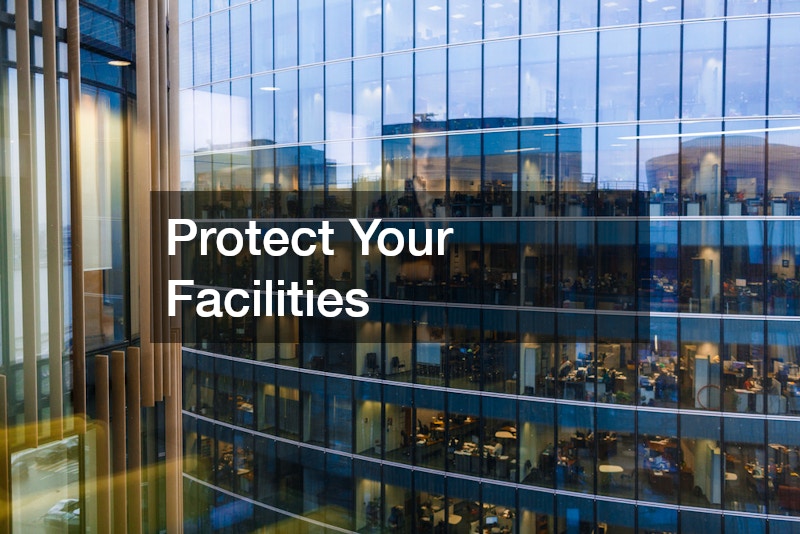
A company’s physical location plays a vital role in daily operations and long-term stability. Protecting facilities ensures uninterrupted workflows, safeguards equipment, and maintains employee safety. Structural issues or deferred maintenance can quickly lead to costly repairs or operational shutdowns. Businesses that proactively maintain their buildings create a safer, more professional environment. Strong facility management also reflects positively on brand reputation.
Partnering with a roofing company helps ensure that buildings remain secure and weather-resistant. Roof integrity protects inventory, machinery, and interior workspaces from water damage and structural deterioration. Regular inspections and timely repairs prevent small issues from escalating into major expenses. A reliable roof also contributes to energy efficiency by maintaining proper insulation. Businesses that prioritize roof maintenance reduce risk and extend the lifespan of their facilities.
Long-term facility protection supports growth by eliminating unexpected disruptions. When buildings are structurally sound, companies can focus resources on expansion rather than emergency repairs. Employees benefit from safer working conditions, which can improve morale and productivity. Investors and clients also view well-maintained facilities as a sign of stability. Protecting physical assets is a critical step in accelerating sustainable business operations.
Expand Logistics Flexibility
Flexibility in transportation allows businesses to adapt quickly to changing demand and operational needs. Companies that rely on rigid logistics systems may struggle during peak seasons or unexpected surges. Having scalable transportation options helps maintain service levels without overcommitting resources. Flexibility also enables businesses to test new routes, markets, or delivery strategies. This adaptability is essential for growth-focused organizations.
Using local trailer rentals gives businesses access to transportation capacity without long-term investment. Renting trailers allows companies to scale up temporarily during busy periods or special projects. This approach reduces capital expenditure while maintaining operational readiness. Businesses can select the appropriate trailer size and type based on immediate needs. Local availability also ensures quick access and minimal downtime.
Over time, flexible logistics strategies help businesses remain agile and cost-efficient. Companies can respond to market shifts without being constrained by owned assets. Reduced overhead allows for reinvestment into other growth areas. Flexible transportation solutions also support experimentation and innovation in distribution. Expanding logistics flexibility creates momentum for sustainable business acceleration.
Upgrade Operational Equipment
Operational efficiency depends heavily on the quality and reliability of equipment used every day. Outdated or inadequate tools can slow production, increase errors, and strain employees. Businesses that invest in proper equipment empower teams to perform tasks efficiently and consistently. Modern tools also support compliance, safety, and quality standards. Upgrading equipment is a direct investment in productivity.
High-quality restaurant supplies play a critical role in food service operations. From preparation tools to storage solutions, the right supplies improve workflow and reduce waste. Reliable equipment ensures consistency in output and supports health and safety standards. Businesses that use professional-grade supplies often experience smoother operations and better customer experiences. Equipment upgrades also reduce downtime caused by breakdowns or inefficiencies.
In the long run, investing in operational tools supports scalability and growth. Efficient equipment allows businesses to handle increased volume without sacrificing quality. Employees benefit from safer, more ergonomic tools that reduce fatigue and errors. Proper equipment also supports training and onboarding as operations expand. Upgrading operational resources is a proven way to accelerate business performance.
Maintain a Clean Workspace
A clean work environment directly impacts productivity, safety, and brand perception. Cluttered or unsanitary spaces can lead to accidents, health issues, and reduced employee morale. Businesses that prioritize cleanliness demonstrate professionalism and care for their workforce. Clean facilities also support compliance with health and safety regulations. Consistent maintenance is essential for operational excellence.
Hiring a commercial cleaning company ensures that facilities are cleaned thoroughly and consistently. Professional cleaners use specialized equipment and methods to address high-traffic areas and industry-specific needs. Outsourcing cleaning allows employees to focus on their primary responsibilities. Regular cleaning reduces the spread of illness and extends the life of flooring, furniture, and equipment. A clean workspace contributes to efficiency and well-being.
Over time, maintaining cleanliness supports employee retention and customer confidence. Workers feel more comfortable and motivated in well-kept environments. Clients and partners notice clean facilities as a sign of organizational discipline. Preventive cleaning also reduces long-term maintenance costs. A clean workspace is a simple yet powerful factor in accelerating business growth.
Improve Fire Safety Systems
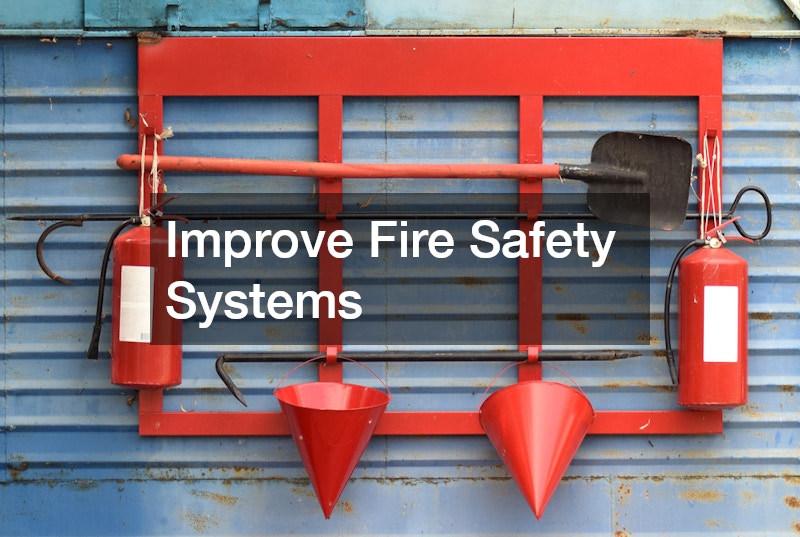
Fire safety is a critical component of responsible business management. Fires can cause severe damage to property, disrupt operations, and put lives at risk. Businesses that prioritize fire prevention and preparedness reduce the likelihood of catastrophic losses. Proper safety systems also support regulatory compliance and insurance requirements. A well-prepared organization demonstrates care for employees, customers, and assets.
Investing in commercial fire alarm installation ensures early detection and rapid response during emergencies. Modern alarm systems provide real-time alerts and integrate with other safety measures. Professional installation ensures proper placement and reliable performance. These systems help minimize damage by enabling quick evacuation and emergency intervention. Fire alarms are an essential layer of protection for any commercial space.
Over time, strong fire safety systems contribute to operational stability. Businesses avoid costly downtime caused by preventable incidents. Employees gain confidence knowing their workplace is protected. Regular system maintenance and updates ensure continued reliability as the business grows. Improving fire safety is a foundational step toward accelerating business resilience.
Keep Company Vehicles Reliable
Reliable transportation is essential for businesses that depend on deliveries, service calls, or mobile teams. Vehicle breakdowns can lead to missed deadlines, unhappy clients, and lost revenue. Maintaining company vehicles ensures consistency and professionalism. A dependable fleet supports operational efficiency and customer trust. Preventive maintenance reduces unexpected disruptions.
Routine auto repair helps identify and fix issues before they escalate. Regular inspections extend vehicle lifespan and improve fuel efficiency. Well-maintained vehicles are safer for employees and reduce liability risks. Businesses that invest in maintenance avoid the higher costs associated with major repairs or replacements. Reliable transportation supports smooth daily operations.
In the long term, vehicle reliability strengthens overall business performance. Employees can complete tasks without delays or stress. Customers benefit from consistent service and timely delivery. Predictable transportation costs support better budgeting and planning. Keeping company vehicles in top condition helps businesses move forward with confidence.
Strengthen Legal Foundations

A strong legal framework protects businesses from disputes, liabilities, and regulatory challenges. Legal oversight ensures contracts, policies, and operations align with current laws. Businesses without proper legal guidance may face costly penalties or operational setbacks. Proactive legal planning supports stability and informed decision-making. Legal strength is a key driver of sustainable growth.
Working with a corporate law firm provides access to expertise across contracts, compliance, and risk management. Legal professionals help businesses navigate complex regulations and protect intellectual property. Proper documentation reduces the risk of disputes and misunderstandings. Legal guidance also supports mergers, expansions, and partnerships. Businesses with strong legal support operate with greater confidence.
Over time, legal preparedness enables smoother growth and scalability. Companies can pursue opportunities without unnecessary legal exposure. Investors and partners value organizations with sound legal structures. Clear policies support internal consistency and accountability. Strengthening legal foundations removes barriers that can slow business acceleration.
Enhance Workplace Security
Security plays a vital role in protecting employees, assets, and sensitive information. Businesses face risks ranging from theft to unauthorized access and vandalism. A secure environment promotes peace of mind and operational continuity. Effective security measures also support compliance and insurance standards. Proactive planning reduces vulnerability.
Investing in security supplies helps create a controlled and protected workplace. Access control systems, surveillance tools, and safety equipment deter potential threats. Visible security measures also discourage misconduct. Businesses can tailor solutions to match their specific risks and layout. Strong security supports a culture of safety and accountability.
Over time, enhanced security contributes to operational stability and trust. Employees feel safer and more focused in protected environments. Clients and partners view secure facilities as professional and reliable. Reduced incidents lower costs associated with loss or damage. Strengthening security measures helps businesses accelerate without unnecessary risk.
Source Cost-Effective Assets
Access to affordable resources allows businesses to grow without overspending. Equipment, furniture, and tools often represent significant investments. Finding cost-effective options frees capital for other strategic initiatives. Smart sourcing supports financial efficiency and flexibility. Businesses that manage costs effectively gain a competitive edge.
Participating in local auctions provides opportunities to acquire assets at reduced prices. Auctions often feature equipment, vehicles, and furnishings in good condition. Businesses can expand or upgrade resources without paying retail costs. This approach supports budget-conscious growth strategies. Auctions also offer flexibility in asset acquisition.
Over time, cost-effective sourcing improves financial resilience. Companies can reinvest savings into marketing, staffing, or technology. Lower overhead supports sustainable expansion. Strategic purchasing decisions reduce financial strain during growth phases. Sourcing affordable assets is a practical way to accelerate business momentum.
Accelerating a business requires more than ambition; it demands thoughtful investment in the systems that support daily operations and long-term growth. Each area discussed in this article plays a distinct role in building efficiency, stability, and resilience. From improving distribution and logistics to protecting facilities and ensuring safety, these strategies work together to reduce friction and create momentum. Businesses that address these foundational elements position themselves for sustainable success.
Operational improvements help companies respond faster to challenges and opportunities. Clean, secure, and well-maintained environments support productivity and employee satisfaction. Reliable transportation and modern equipment reduce downtime and improve service consistency. Legal preparedness and safety systems minimize risk and protect valuable assets. When these elements are aligned, businesses can focus on growth instead of crisis management.
Cost control and flexibility also contribute to acceleration. Scalable logistics, affordable asset sourcing, and preventive maintenance allow businesses to grow without overextending resources. These strategies support smarter budgeting and long-term planning. Companies that manage costs effectively can reinvest in innovation, marketing, and talent. Financial discipline creates room for expansion.
Ultimately, business acceleration comes from strengthening the core systems that keep operations moving forward. Each improvement builds upon the next, creating a foundation for efficiency and confidence. By addressing logistics, facilities, safety, legal structure, and security, businesses remove common obstacles to growth. When these pieces are in place, organizations can scale faster, operate more smoothly, and compete more effectively. These ten strategies offer a clear path toward meaningful and sustainable business acceleration.